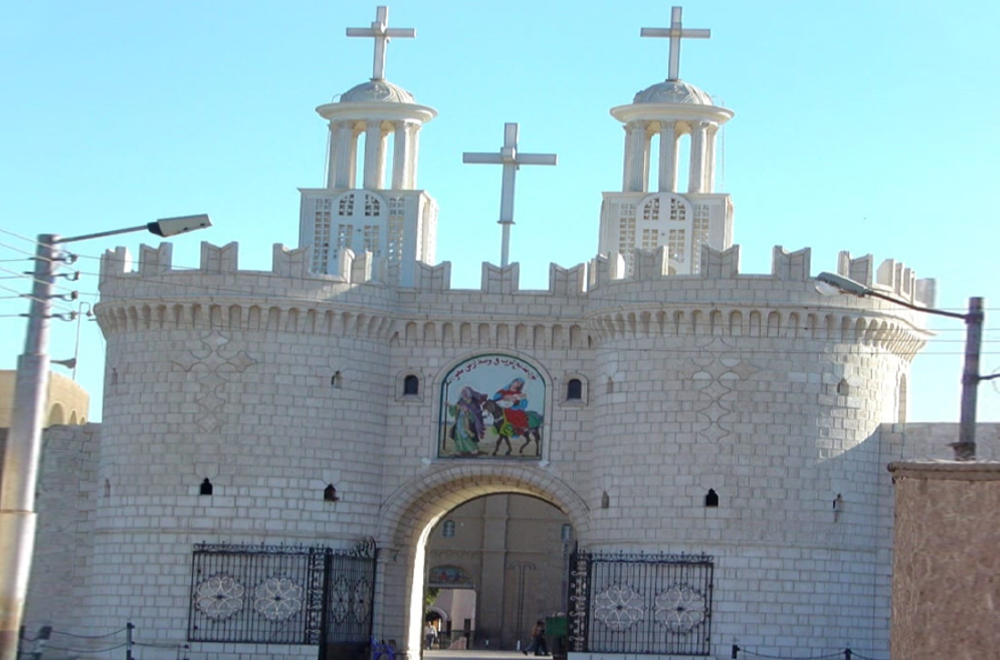
Arise, take the young Child and His mother, and flee to Egypt
(Matthew 2:13).
The Gospel of Saint Matthew recounts that an angel of the Lord appeared to Joseph in a dream, instructing him to take the Child Jesus and His mother and flee to Egypt to escape the tyranny of King Herod.
The Holy Family crossed into Egypt and remained there until the death of Herod.
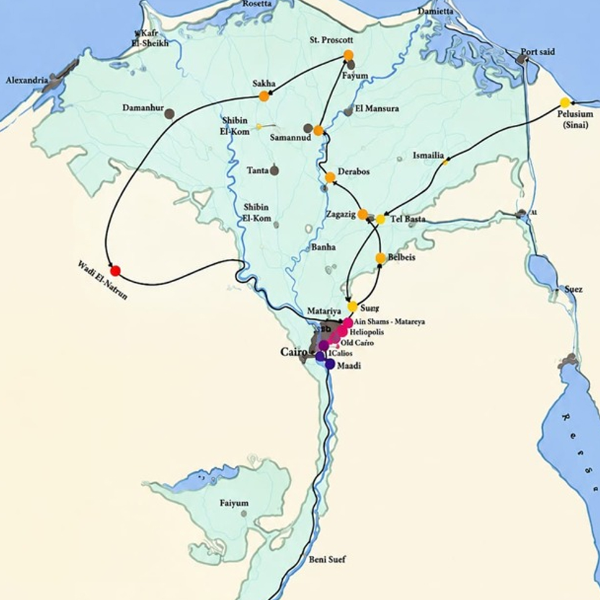
Egypt holds a unique place in Christian history; it is the only country outside the land of the Nativity to have welcomed Jesus Christ during His childhood and sheltered the Holy Family throughout a journey that has become one of the most profound spiritual narratives in human history. On Egyptian soil, the Holy Family found safety amidst fear and protection amidst persecution, making Egypt an integral part of a story that continues to inspire millions of people around the world to this day.
Egypt was not merely a fleeting stopover on this blessed journey; rather, it served as a temporary home where the Holy Family traversed cities, villages, valleys, and mountains, leaving behind a spiritual and cultural legacy whose traces endure to the present day.
The journey of the Holy Family began with their entry into Egyptian territory through the eastern border, then continued through various regions of the Delta, Cairo, and Wadi El Natrun, before heading south along the Nile Valley until reaching Upper Egypt. Throughout this journey, numerous sites became associated with the Holy Family's passage, residence, or rest, becoming, over the centuries, sacred stations visited by pilgrims from around the world.
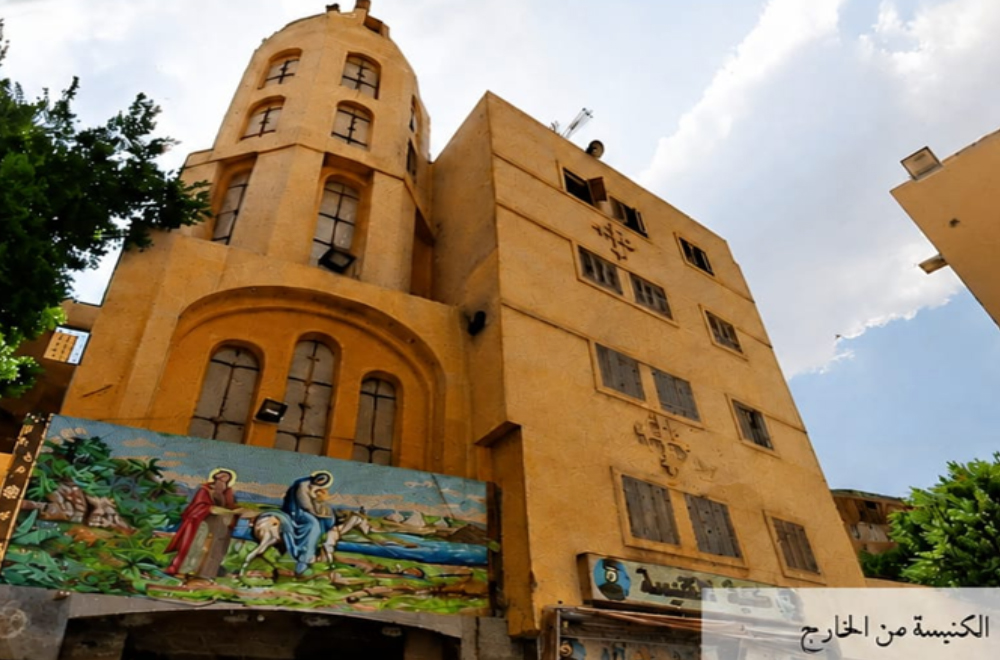
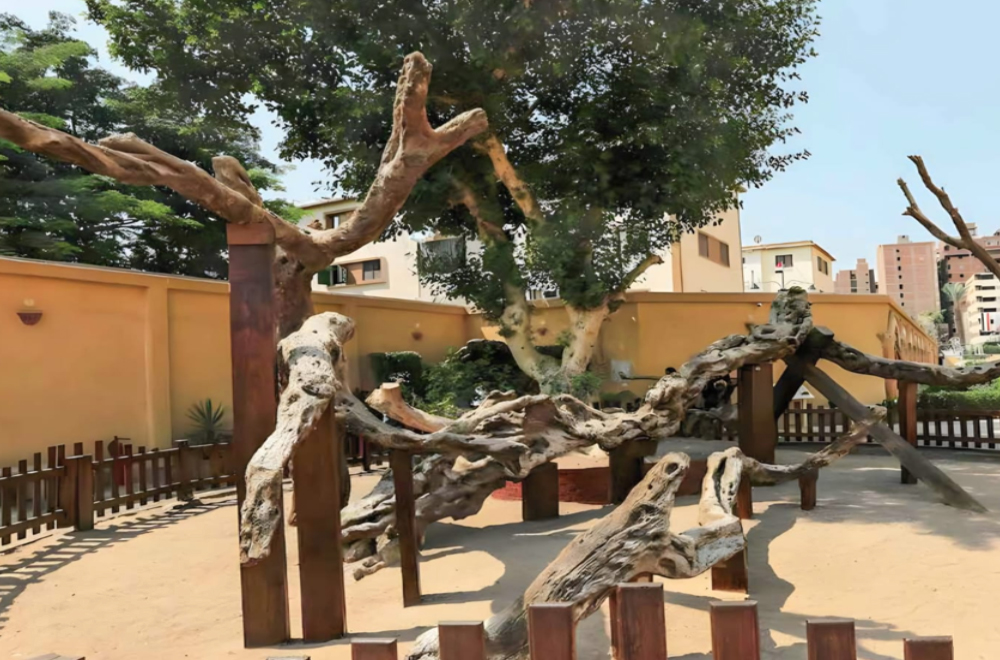
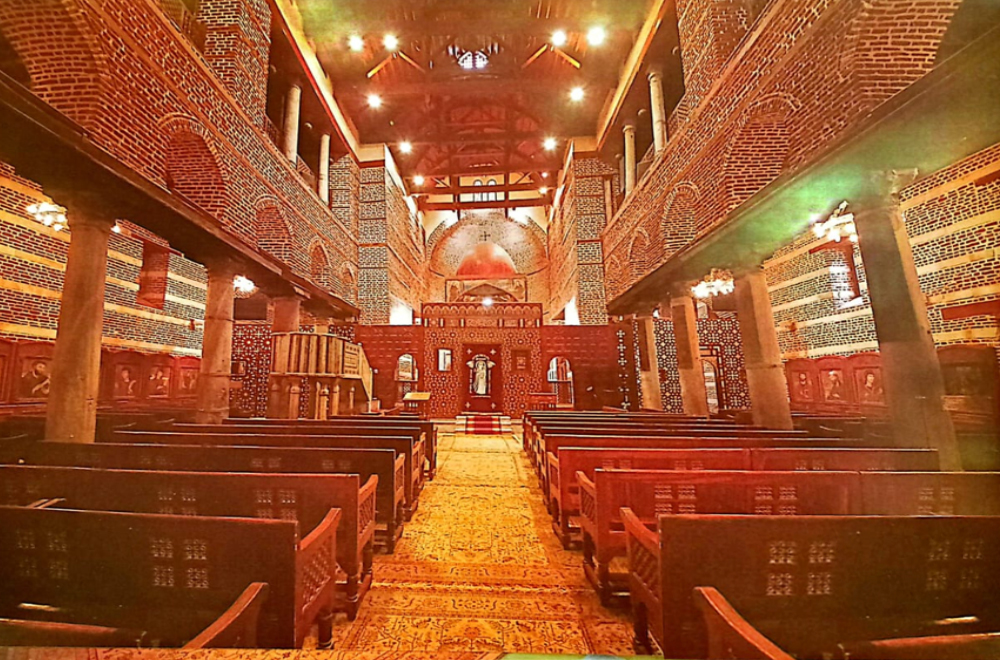
In the heart of Cairo, several sites preserve the memory of the blessed journey, including the Tree of Mary in Al-Matariya, the Church of Saints Sergius and Bacchus (Abu Serga) in Old Cairo, and the Church of the Virgin Mary in Maadi — sites that represent prominent stations along the journey's path.
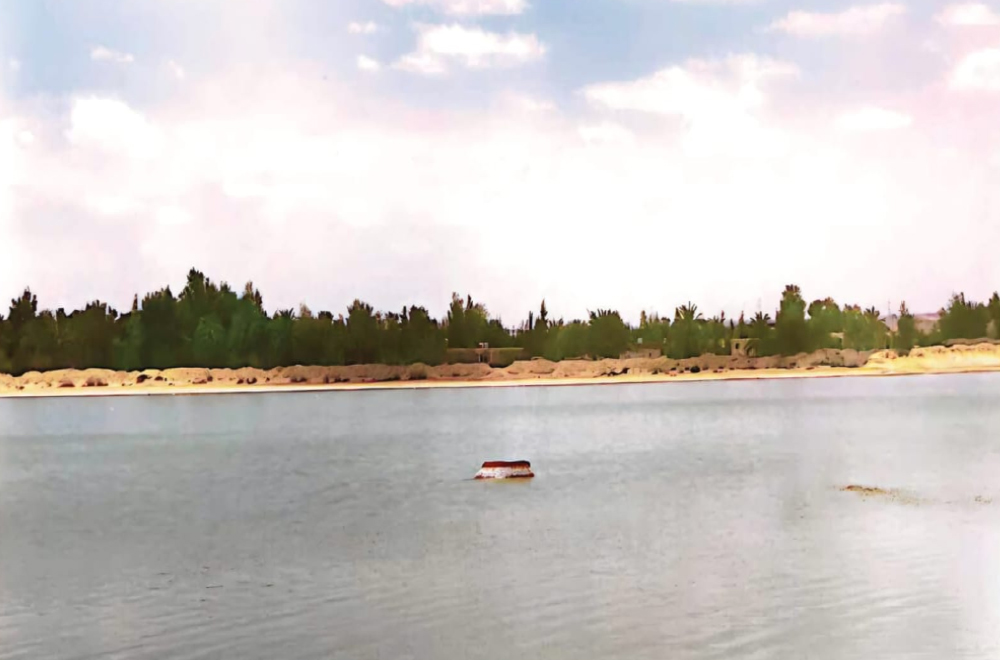
It represents one of the most important spiritual centers in the Christian world, as this region was associated with the journey of the Holy Family, and later became home to Coptic monasticism and one of its most important historical centers. It contains the oldest four Coptic monasteries, alongside the spring of pure water in the middle of the salt lake, known as Ain El-Hamra, from which the Child Jesus and the Holy Family drank.
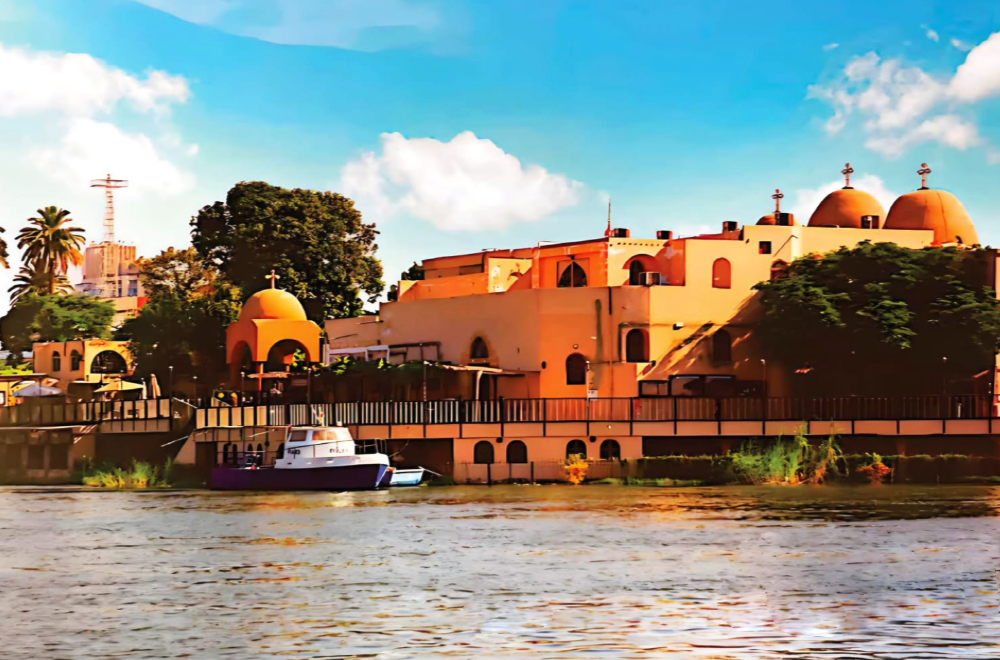
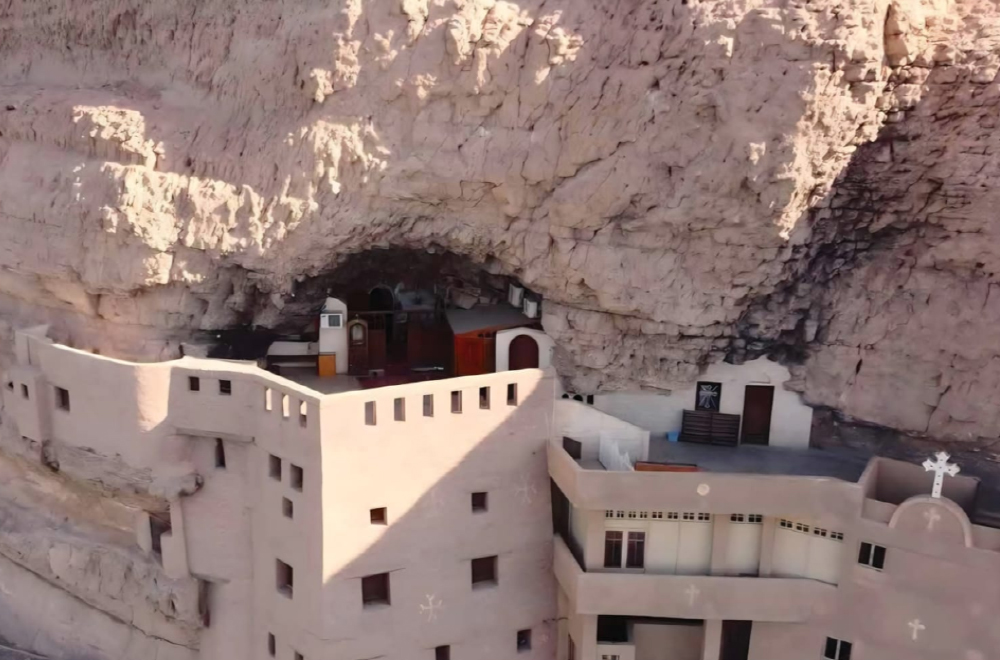
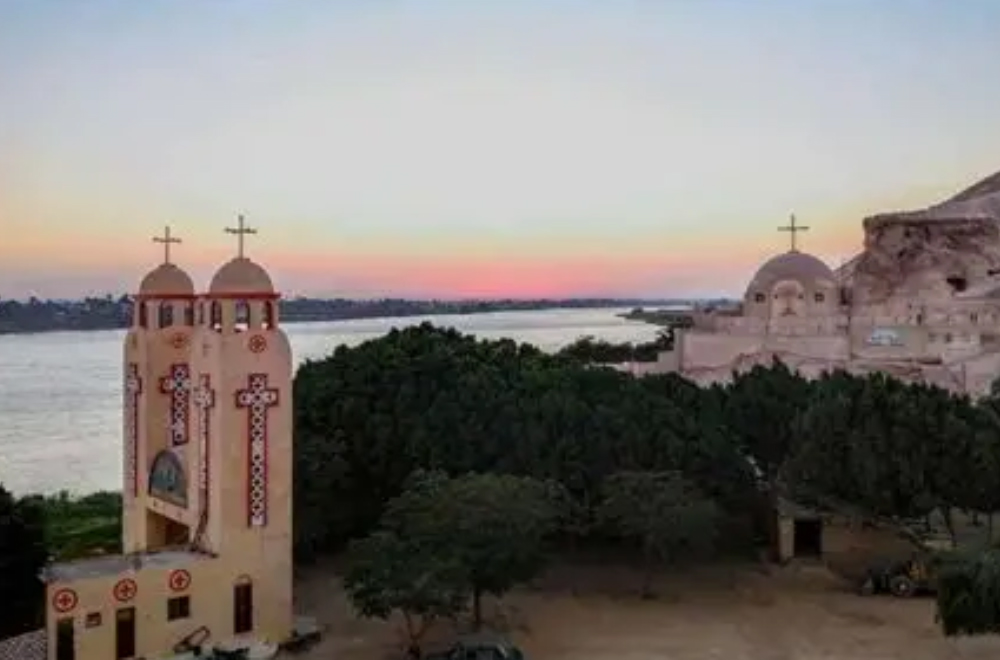
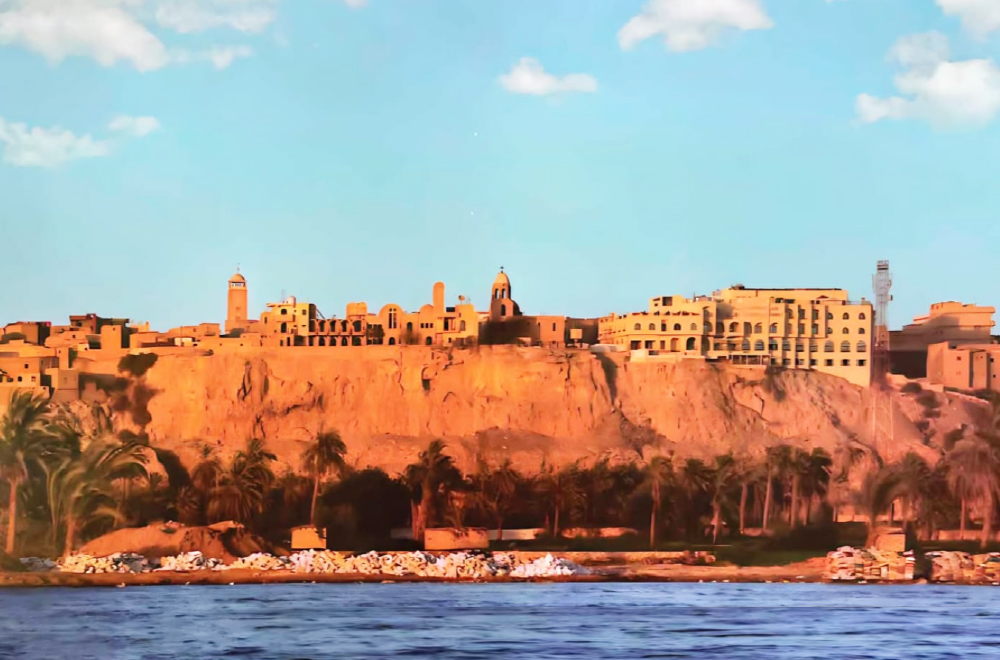
As the journey heads further south, Egypt reveals new natural and cultural scenes. Among the most notable stations of this stage is the Monastery of the Virgin Mary at Gabal El-Tair in Minya Governorate, which combines spiritual significance with a unique natural setting overlooking the Nile River.
In the heart of Upper Egypt lies Al-Muharraq Monastery, one of the most important sites along the Holy Family's route and the one most closely linked to Coptic tradition, regarded as one of the most notable stations that witnessed the longest period of the Holy Family's stay during their time in Egypt. To this day, the monastery remains an important spiritual center and a major destination for visitors from within Egypt and abroad.
Visiting the route of the Holy Family is not merely a journey between historical sites, but a human, cultural, and spiritual experience that invites the visitor to discover a land that played an exceptional role in one of the most influential stories in the world. Here, in Egypt, the journey is still present, and its traces still pulse with life, as churches and monasteries were built on these very sites, where prayers and hymns are held to this day. The Church has preserved this spiritual heritage for long periods dating back to earlier centuries.
Egypt represents one of the oldest continuous civilizations in the world, and throughout its long history it has formed a meeting point between cultures, peoples, and religions. Along the route of the Holy Family, these civilizational layers intertwine to offer a unique experience that combines ancient Egyptian civilization, authentic Coptic heritage, and the universal spiritual value of the journey.
The route of the Holy Family is not limited to the spiritual dimension alone; it offers the visitor a comprehensive experience that combines history, culture, nature, and living heritage. Through this journey, one can discover historic churches, thriving monasteries, Coptic architecture, local communities, and landscapes stretching from the Delta to Upper Egypt.
Out of more than 30 designated stations, ten were selected for development in the first phase—chosen for their heritage significance, accessibility, and readiness for intervention. These are the sites where the route is currently being constructed.